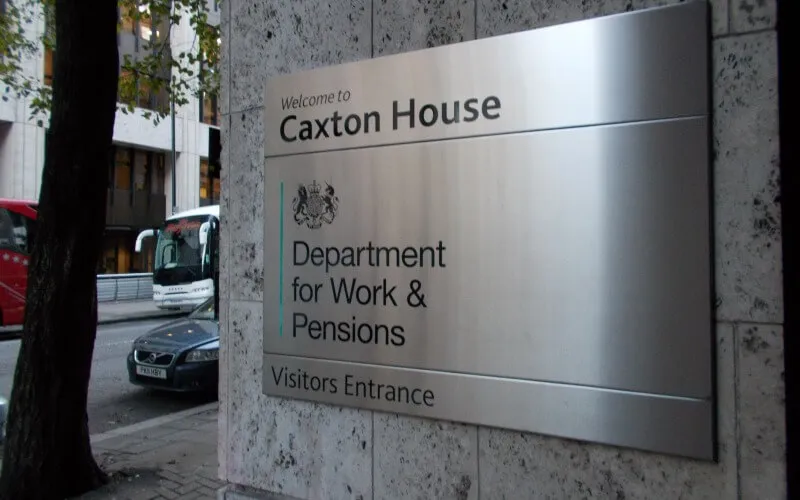
The Department for Work and Pensions (DWP) is researching how it supports neurodivergent claimants of universal credit (UC), months after an autistic man took his own life after becoming increasingly distressed by the fallout from the UC migration process.
Disability News Service (DNS) reported last week how David Panther took his own life in January after weeks of mounting distress triggered by being left with a new £500 monthly charge for his social care package, after he was forced to migrate to UC from so-called legacy benefits.
Now, four months later, DWP is seeking volunteers who are willing to take part in research that aims to understand how the department can improve its support for autistic people and other neurodivergent claimants.
Among the areas it will examine are the challenges neurodivergent claimants face when using the system, including how they manage their UC accounts and communicate with DWP, and the support and reasonable adjustments they need from the department.
One of the outcomes DWP is hoping for from the research is information about the support and reasonable adjustments it is currently failing to provide this group of claimants.
Panther’s death has raised fresh concerns, not only about the impact of coping with the universal credit system on a minority of disabled people, but also how claimants who are migrated onto universal credit can face increased care charges, higher council tax demands, or rent hikes.
Last month, DWP published research on the migration process which found that claimants with “lower digital confidence, sometimes compounded by mental or physical health problems” could find ongoing tasks associated with their universal credit claim “overwhelming”, with many experiencing “anxiety and hypervigilance”.
DNS has previously reported on a series of deaths closely connected with claimant anxiety about the universal credit process.
They include the death of Kevin Gale, from Penrith, Cumbria, in March 2022; the death of Nazerine (known as Naz) Anderson, from Melton Mowbray, Leicestershire, in June 2023; and the death of a disabled woman left traumatised by the daily demands of universal credit in April 2022.
Three years ago, DNS reported on a “deeply troubling” government report that ministers kept hidden for four years and which revealed significant flaws at the heart of the universal credit system and how DWP supported “vulnerable” claimants.
And in October 2022, DWP admitted repeatedly breaching the Equality Act, after a disabled man was left needing hospital treatment three times for suicidal thoughts caused by months of failures by universal credit advisers and jobcentres.
Victoria Naughton, a social security adviser with the performing arts union Equity, who had supported David Panther with his DWP problems, said last week that his tragic death – and the way social care direct payments are treated as capital by DWP – has highlighted serious flaws within the universal credit process that deals with how claimants report their savings, and how DWP decides what is and is not counted as savings.
And she raised concerns about the quality of responses from DWP when claimants ask questions about their benefits
She said she feared that there “absolutely” were other disabled people like David Panther who were being affected in similar ways by DWP and the universal credit migration process.
But DWP is still refusing to answer key questions about the issues raised by the death of David Panther.
It has refused to say if it will fix key flaws in the reporting process, whether it will take steps to improve the training of its staff, and if it will ensure that councils are made aware of flaws in the migration process which lead to local authorities wrongly believing that claimants’ income has risen.
DWP has also refused to say if it believes that universal credit is fit for purpose for the minority of disabled people like David Panther who find dealing with the system causes them significant distress.
DWP refused again to answer these questions this week, or to comment on the new research on neurodivergent UC claimants.
 Alarm bells ringing after minister says all work is good for health, and he wants ‘everyone’ to get a job
 PIP review member delivers powerful rebuttal to research by colleague that called for cuts to child DLA
 Instagram, Facebook and TikTok fail to act on animations spreading hate and lies about PIP claimants