• Skip to main content
  • Skip to secondary menu
  • Skip to primary sidebar
  • Skip to footer
  • Advice/Information
  • About DNS
  • Subscribe to DNS
  • Advertise with DNS
  • Support DNS
  • Contact DNS

Disability News Service

the country's only news agency specialising in disability issues

  • Home
  • Independent Living
    • Arts, Culture and Sport
    • Crime
    • Education
    • Employment
    • Housing
    • Transport
  • Activism & Campaigning
  • Benefits & Poverty
  • Politics
  • Human Rights
You are here: Home / Crime / Media ‘still use disablist language and blame disabled victims’ when covering crime
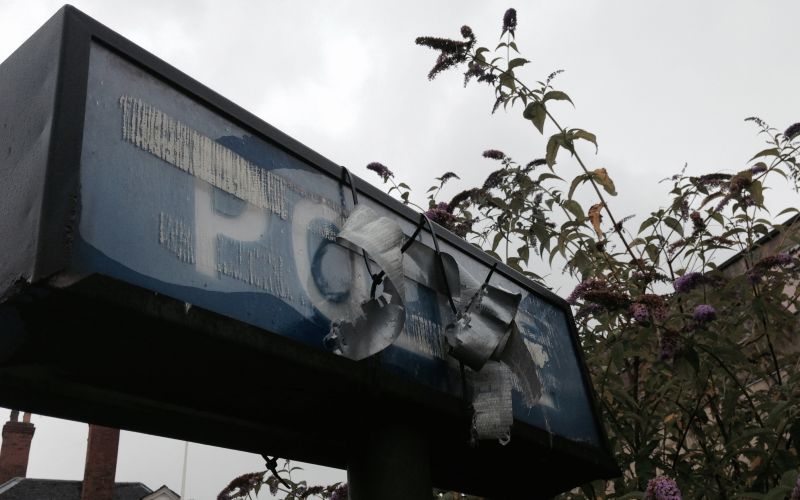
An old, overgrown sign saying Police

Media ‘still use disablist language and blame disabled victims’ when covering crime

By John Pring on 8th December 2022 Category: Crime

Listen

News stories about crimes against disabled people in the mainstream media still too often use disablist language, blame the victim, and portray the disabled person as a “burden”, according to a new report.

Inclusion London’s report, Disability, Crime and Hate Crime in the News, examined news coverage of 300 crimes against disabled people over the last 18 years, and was published to mark this year’s international day of disabled people on 3 December.

Although the report found that news coverage of such crimes across the UK had improved since 2005, including a drop in the frequency of disablist language, it still found “many stories contained disablist concepts and portrayals”.

As recently as this year, the research uncovered news articles about crimes against disabled people that contained “disablist language, assumptions, infantilization, and the same attitudes which lead to societal discrimination” against disabled people.

The report says that most of the examples are likely to be due to “unconscious biases and perceptions prevalent within society, resulting from historic and cultural values and beliefs built up over the years”.

It also provides examples of how journalists can write their articles in a less disablist way.

Among its concerns are news stories in which disabled murder victims have been described as a “burden” to the relatives who killed them, often using quotes from living relatives about how “difficult” they were.

It found many articles where “language choices, quotes used from professionals involved in the case, or the general write-up of the case shifted some or most of the blame for the crime onto the victim or downplayed the impact of the crime”.

Disablist language was often used to describe the perpetrators of crimes, such as “deranged”, “psychotic killer” and “unable to deal with their demons”.

And disabled victims are frequently portrayed as “helpless, weak, vulnerable, and unable to do anything to defend themselves”.

The report concludes: “Disabled victims of crime deserve to be written about in respectful and considerate ways that do not perpetuate disablist ideas.

“We hope that this report gives writers of all public facing media, but particularly those within the criminal justice system and reporting on crimes against Disabled people, some material to review their own publications, what stories they decide to place value on, and how they choose to cover them.”

It also suggests ways in which the media can engage with disabled people – including through seeking their services as paid consultants or to provide training – to improve the way they write their stories, as a way of “dismantling unconscious disablism in their work”.

Louise Holden, manager of Inclusion London’s disability hate crime project and the report’s co-author, said: “For any journalist that really wants to stamp out disablism in the media, this report has clear examples of good practice.

“What is written about us matters. Disabled victims deserve better.”


A note from the editor:

Please consider making a voluntary financial contribution to support the work of DNS and allow it to continue producing independent, carefully-researched news stories that focus on the lives and rights of disabled people and their user-led organisations.

Please do not contribute if you cannot afford to do so, and please note that DNS is not a charity. It is run and owned by disabled journalist John Pring and has been from its launch in April 2009.

Thank you for anything you can do to support the work of DNS…

Share this post:

Share on X (Twitter)Share on FacebookShare on WhatsAppShare on RedditShare on LinkedIn

Tags: crime Disability hate crime disablist language Inclusion London international day of disabled people journalism

Image of front cover of The Department, showing a crinkled memo with the words ‘Restricted - Policy. The Department. How a Violent Government Bureaucracy Killed Hundreds and Hid the Evidence. John Pring.’ Next to the image is a red box with the following words in white: ‘A very interesting book... a very important contribution to this whole debate’ - Sir Stephen Timms, minister for social security and disability. plutobooks.com and the Pluto Press logo.

Related

Disabled people’s organisations warn Timms Review ‘is hiding PIP cuts’ but welcome ‘rehumanising’ approach
26th November 2026
Burnham’s plan for a national care service is a chance to push for real independent living, MPs hear
26th November 2026
Five years of evidence exposes hardship and fear caused by social care charging system
19th November 2026

Primary Sidebar

On the left of the image are multiple heads of different colours - white, aqua, red, light brown, and dark green - all grouped together, then the words ‘Join our campaign for a decent life for Disabled people. Campaign for Disability Justice’
Image of front cover of The Department, showing a crinkled memo with the words 'Restricted - Policy. The Department. How a Violent Government Bureaucracy Killed Hundreds and Hid the Evidence. John Pring.' Next to the image is a red box with the following words in white: 'A very interesting book... a very important contribution to this whole debate' - Sir Stephen Timms, minister for social security and disability. plutobooks.com and the Pluto Press logo.

Access

Latest Stories

Timms Review opens door to government cuts, despite its call for reformed PIP based on dignity and trust

Disabled people’s organisations warn Timms Review ‘is hiding PIP cuts’ but welcome ‘rehumanising’ approach

Burnham’s plan for a national care service is a chance to push for real independent living, MPs hear

Ministers silent over Milburn’s foul-mouthed outburst after he was challenged on safeguarding

Scrapping care charges must be matched by reforms to create a right to independent living, says report

Abrahams silent after attacking story that exposed how PM could avoid being quizzed on Timms and Milburn

Liverpool sees launch of first new edition of accessible stadium guide for more than 20 years

Disabled activists ready to fight back against ‘unsafe’ and ‘punishing’ cuts demanded by Milburn report

Government looks set to accept Milburn’s call for 41 per cent cuts to young people’s disability benefits

Most Labour MPs appear to accept Milburn’s arguments for huge cuts to disabled young people’s benefits

Readspeaker
Image of front cover of The Department, showing a crinkled memo with the words 'Restricted - Policy. The Department. How a Violent Government Bureaucracy Killed Hundreds and Hid the Evidence. John Pring.' Next to the image is a red box with the following words in white: 'A very interesting book... a very important contribution to this whole debate' - Sir Stephen Timms, minister for social security and disability. plutobooks.com and the Pluto Press logo.

Footer

The International Standard Serial Number for Disability News Service is: ISSN 2398-8924

  • Accessibility Statement
  • Privacy Policy
  • Site map
  • Bluesky
  • Facebook
  • Instagram
  • LinkedIn
  • Threads
  • Twitter

Copyright © 2026 Disability News Service

Site development by A Bright Clear Web