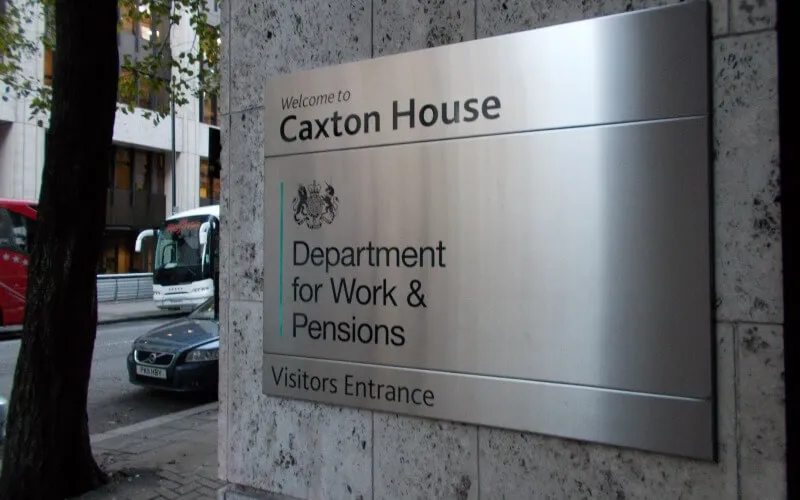
The Department for Work and Pensions (DWP) is refusing to correct figures in its annual report that hugely underestimate the number of disabled benefit claimants who had their claims closed as part of the move to universal credit.
DWP’s own figures, published quietly in May, have already showed nearly 23,000 disabled people failed to “migrate” from employment and support allowance (ESA) to universal credit and had their benefit claims closed.
The figures raised concerns at the time among disabled activists over whether many of them had been left destitute, and they were branded an “appalling safeguarding failure”.
But the department’s latest annual report and accounts, published last Thursday, brags about the success of the move from so-called legacy benefits to universal credit, saying that the “major change has passed without issues seen in previous work at this scale”.
It appears to have attempted to conceal the true impact of the process on claimants who were formerly claiming ESA.
The annual report claims that DWP figures from the end of March showed that “under 2,000 claimants out of nearly 900,000 former ESA claimants” had not moved to universal credit.
It said these were those who “had been notified to claim UC but had not yet claimed or had their ESA terminated” or those who were awaiting an appointee to act on their behalf.
Those awaiting an appointee are now the only group still receiving income-related ESA.
DWP insists in the report that it has been driven in the migration from ESA to universal credit not “by the timetable to complete the exercise, but by how long it would take to ensure the customers could move to UC safely”.
But disabled campaigners have previously described how many claimants had been harassed through the migration process, and had been unable to cope, while there were fears that thousands of disabled people could have been left without any income-related support from the state.
In March, disabled people’s organisations and allies wrote to Sir Stephen Timms, the minister for social security and disability, to warn him that safeguards were “not being followed” as the ESA migration process neared its end.
They were particularly concerned about ESA claimants who were unable to start their universal credit claim by phone or online.
Many of the claimants were too unwell, experiencing domestic violence, or faced other access barriers, they warned.
The letter appealed to Sir Stephen to re-open the cases of those former ESA claimants who were “unable to engage in the migration process due to being in hospital or unable to cope in other ways”.
Asked this week why it was claiming fewer than 2,000 claimants had not completed the move to universal credit from ESA, rather than the 23,000 shown by its earlier figures in May, DWP declined to provide a statement.
Instead, it offered information that failed to clarify why it was referring to fewer than 2,000 ESA claimants failing to move to universal credit, rather than 23,000.
It appeared to claim this was based on those who – in March – had not yet reached their claim deadline and those who were awaiting an appointee, even though this does not match what is stated in the annual report.
But it appears to accept that about 23,000 ESA claimants had been sent a migration notice and had not made a claim to universal credit and had had their ESA claim closed.
It had failed to provide further clarity by noon today (Thursday).
 Leaked DWP ‘corner-cutting’ plans reveal changes to checks on assessments that will cause ‘even more risk’
 Information Commission orders DWP to release secret report that examined quality of PIP phone assessments
 DWP silent after Tory member of PIP review publishes report demanding child disability benefits are slashed