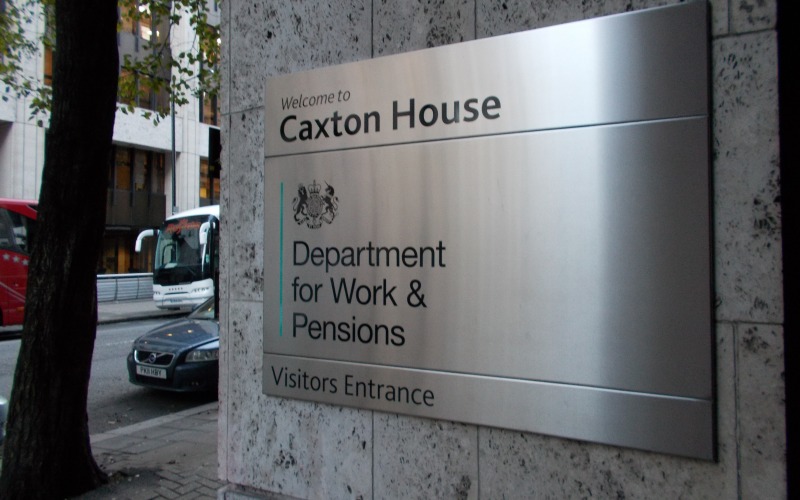
A new “independent” investigation into the rising number of young people who are not in jobs, training or education will exclusively target sick and disabled claimants, a government document has revealed.
A Department for Work and Pensions (DWP) press release had said the inquiry would “tackle the persistently high numbers of young people out of work, education and training”.
DWP said on Monday that the investigation, to be led by former Labour health secretary Alan Milburn and commissioned by work and pensions secretary Pat McFadden, would have a “particular focus on the impact of mental health conditions and disability”.
But the inquiry’s terms of reference, published the following day, make it clear that this will be its only focus.
They say the investigation will examine the “drivers of the increase in the number of young people who are Not in Education Employment or Training (NEET) and claiming health and disability benefits, including childhood experience”.
The terms of reference say that Milburn and his panel of “experts” – who have yet to be appointed – will “investigate the root causes of this rise in economic inactivity among disabled young people and those with health conditions”.
As part of its initial work, the Independent Report into Young People and Work will aim to identify “underlying factors which may drive these trends”.
DWP said this week that more than a quarter of NEET young people now say long-term sickness or disability is a barrier to their participation, compared to 12 per cent in 2013-14.
There are likely to be concerns among many disabled activists that Milburn is leading the review.
Last year, in a controversial report, which was welcomed by ministers, his Pathways to Work Commission focused strongly on the need to push more people with long-term health conditions into work, and it included a controversial recommendation for DWP to introduce a “duty to engage” with employment support.
Milburn’s report also called on the government to cut benefits for disabled people who are out-of-work – except for those with “severe disabilities” – so they could “close the financial gap between incapacity and unemployment benefits”, a recommendation which was taken up this year by ministers through their Universal Credit Act.
And it completely ignored the serious safeguarding issues within DWP, including those linked to the work capability assessment process and universal credit and associated with efforts to pressure disabled people into work or work-related activity.
There are already concerns over some of the language used by DWP this week in announcing the review, with McFadden describing the growing number of young people who are not in work, training or education as “a disease”, in an interview with the Sunday Times, and claiming that work was an “antidote” to many health conditions.
The terms of reference also say that the review will provide a “diagnosis” on the increase in the number of young ill and disabled people who are NEET.
But there will be hopes that the new investigation could unearth clear evidence linking the increase in young sick and disabled people forced to rely on out-of-work benefits with the impact of the Covid pandemic; the backlogs in mental health treatment; and increases in mental distress and ill-health among younger people.
This could provide ammunition to fend off the growing hostile and disablist attacks on young disabled people from politicians and the right-wing media, and on social media.
DWP promises that Milburn’s investigation will “engage with people with lived experience” as well as employers, and experts in the labour market, welfare and health sectors.
It said the review would “make practical recommendations to help young people with health conditions access work, training or education”.
The final report is due to be published next summer, although the government will see its interim findings in the spring.
McFadden said: “The rising number of young people who are not in education, employment or training is a crisis of opportunity that demands more action to give them the chance to learn or earn.
“We cannot afford to lose a generation of young people to a life on benefits, with no work prospects and not enough hope.”
Milburn said his review would be “uncompromising in exposing failures in employment support, education, skills, health and welfare and will produce far-reaching recommendations for change to enhance opportunities for young people to learn and earn”.
A note from the editor:
Please consider making a voluntary financial contribution to support the work of DNS and allow it to continue producing independent, carefully-researched news stories that focus on the lives and rights of disabled people and their user-led organisations.
Please do not contribute if you cannot afford to do so, and please note that DNS is not a charity. It is run and owned by disabled journalist John Pring and has been from its launch in April 2009.
Thank you for anything you can do to support the work of DNS…
 Scores of DWP failings linked to deaths were kept from MPs voting on benefit cuts, secret reports reveal
 DWP staff ignored rules on how to respond to claimants who report suicidal thoughts, secret reports reveal
 Government’s advisers warn DWP minister he may need to ‘shift entrenched concerns’ over work reforms