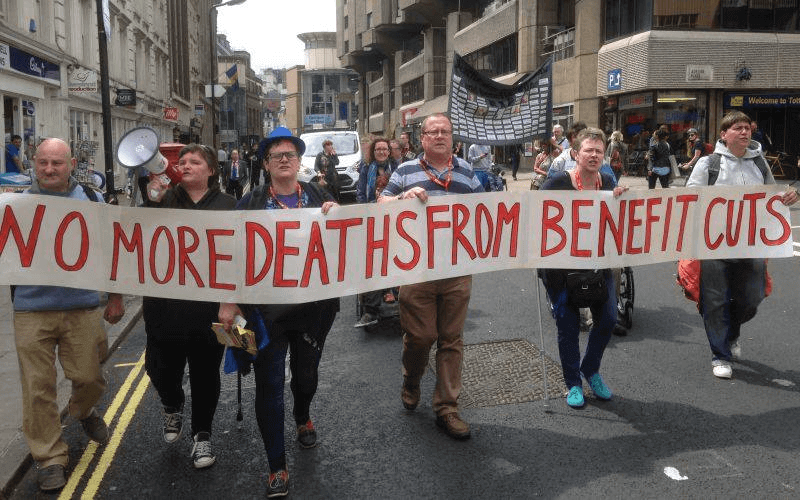
The number of internal reviews into deaths and other harm linked to universal credit nearly doubled last year, according to figures released just hours after ministers pushed through billions of pounds of cuts to part of the working-age benefits system.
The number of “serious cases” accepted for a secret internal process review (IPR) in which the claimant was receiving universal credit (UC) rose from 31 in 2023-24 to 55 last year.
In all, the Department for Work and Pensions (DWP) agreed that 90 serious cases should be examined through an IPR in 2024-25, of which 59 followed a claimant’s death, compared with a total of 53 IPRs the previous year.
The figures were released through DWP’s annual report, published this week, which says that 42 of the IPRs involved personal independence payment (an increase from 27 the previous year), and 21 involved an employment and support allowance claimant (an increase on 15 in 2023-24).
DWP claims in the report that the increased number of IPRs followed “awareness sessions across the Department to increase understanding of IPRs and the learning process from serious cases”.
The report was published on 10 July, just hours after MPs had voted through the new universal credit bill that will cut the health element of UC for most new claimants from £97 a week to £50 a week, from April 2026.
There is no mention of these cuts in the introduction to the report by work and pensions secretary Liz Kendall, who instead says the department is “showing how an active government changes people’s lives for the better” and how it is “supporting struggling families, helping people to get into and get on at work, [and] giving disabled people the dignity they deserve or ensuring security in retirement”.
It is possible that some MPs might have voted differently last week if they had known how many “serious cases” involving universal credit claimants were being probed by DWP while they were being asked to vote for cuts to that support.
Disability News Service (DNS) reported last week that DWP was refusing to release recommendations from universal credit IPRs dating back as a far as 2020, despite telling the information rights tribunal that it would release at least some of that information by 31 March this year.
DWP has been promising for months that the reason it will not release the IPR information to DNS is because it is “intended for future publication”.
DNS understands that some of this information could be published later today (Thursday).
Asked why the IPR figures were released just hours after the cuts bill was voted through the Commons, and whether this was a coincidence, or if ministers had deliberately held back publication until the bill was passed by MPs, DWP had failed to comment by noon today.
*The Department: How a Violent Government Bureaucracy Killed Hundreds and Hid the Evidence, DNS editor John Pring’s book on the years of deaths linked to DWP’s actions and failings, is published by Pluto Press
A note from the editor:
Please consider making a voluntary financial contribution to support the work of DNS and allow it to continue producing independent, carefully-researched news stories that focus on the lives and rights of disabled people and their user-led organisations.
Please do not contribute if you cannot afford to do so, and please note that DNS is not a charity. It is run and owned by disabled journalist John Pring and has been from its launch in April 2009.
Thank you for anything you can do to support the work of DNS…
 Scores of DWP failings linked to deaths were kept from MPs voting on benefit cuts, secret reports reveal
 DWP staff ignored rules on how to respond to claimants who report suicidal thoughts, secret reports reveal
 Government’s advisers warn DWP minister he may need to ‘shift entrenched concerns’ over work reforms