Six government research reports have provided strong evidence of the huge barriers that prevent many young disabled people from moving into work, training or education.
They show that – contrary to hostile rhetoric in the mainstream media, and among some MPs and ministers – there are good reasons to explain the significant number of young disabled people who are receiving out-of-work disability benefits.
One of the government reports analyses findings from a survey of more than 400 young people who were not in education, employment or training (NEET), and it found most young disabled people with high support needs believed they would eventually move into work, education or training.
Although 84 per cent of the NEET young people surveyed said they wanted to be in employment, education or training, health was a “major barrier” to many of them.
And nearly a quarter (23 per cent) of survey respondents whose activities were “limited a lot by a disability or health condition” made clear that they do not think they will ever move into work, education or training.
Many of the young disabled people who responded to the survey reported difficulties securing suitable jobs, a lack of workplace adjustments, problems with their mental health, and “challenges navigating support systems”.
And many of them “felt that employment was difficult to achieve without more tailored support and greater understanding from employers”.
Many linked their mental ill-health to reduced confidence, difficulties attending interviews, burnout, decreased motivation following repeated rejection, and the challenges of remaining in work.
The report adds: “Respondents often described managing severe mental health conditions alongside difficulties accessing appropriate support from mental health services, which they viewed as a barrier to entering and sustaining employment.”
Respondents “consistently” called for more personalised support, improved work experience and entry-level opportunities, and better health and wellbeing services.
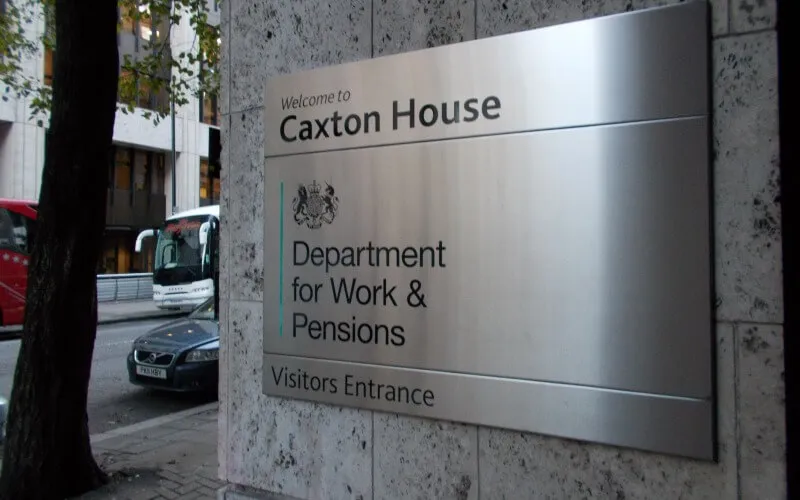
In all, the Department for Work and Pensions published six research reports on young NEETs on the same day.
Others were based on surveys of health professionals, education professionals, employers, and the general UK population.
The report on healthcare professionals, based on a survey of more than 1,000 NHS workers, said respondents reported seeing an increase over the last five years in diagnoses relating to both mental health conditions and neurodivergence among young people, while 51 per cent of respondents said they believed mental health was one of the top three barriers to employment, education and training.
Some of the healthcare professionals surveyed also noted increasing numbers of young people living with “complex health conditions and co-morbidities”, while respondents said lower levels of confidence, resilience and motivation among some young people were linked to disrupted education and reduced social development caused by the COVID-19 pandemic, as well as increased use of social media and technology.
The report concludes that reducing NEET levels “goes beyond healthcare alone” and suggests improved mental health support and access to community services and more targeted support within the education and employment sectors.
In the report on employers, only three per cent of those surveyed said they had hired young people with a “mental health condition or cognitive impairment”, while just four per cent reported hiring young people with a “physical health condition or impairment”.
The impact of years of hostile rhetoric aimed at disabled people on out-of-work benefits was shown in the survey of the general UK population.
When asked what should happen to a young person who is receiving out-of-work benefits and turns down a job because they feel they cannot do it due to a “health condition or disability”, nearly one in four (24 per cent) said they should probably or definitely not receive those benefits.
The sixth DWP report was based on 30 detailed interviews with young people who were NEET but were not claiming health or disability benefits at the time of the interview.
Young people with invisible or fluctuating conditions described their sense that employers and educators “struggled to understand and accommodate their needs”, such as the need for flexibility in hours and location, and adjustments that recognised their variable capacity.
The six reports have fed into Alan Milburn’s review for the government on young people who are NEET, a piece of work which is focusing on young disabled people.
Milburn’s final report is due later this year.
All the reports – except the one on the 30 detailed interviews – are based on the results of online surveys carried out earlier this year by polling organisation YouGov.
 Leaked DWP ‘corner-cutting’ plans reveal changes to checks on assessments that will cause ‘even more risk’
 Information Commission orders DWP to release secret report that examined quality of PIP phone assessments
 The Times ignores efforts to draw its attention to years of DWP deaths as it launches its own ‘welfare inquiry’