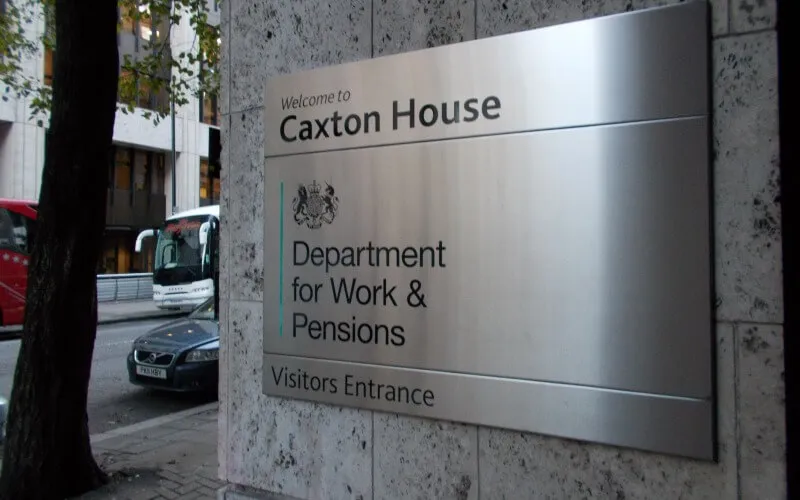
Hundreds of disabled people and allies have called on the prime minister to take “urgent” action to fix the crisis-ridden and “broken” Access to Work disability employment scheme.
In a new open letter, Access to Work Collective says disabled people who rely on the scheme are “burning out, breaking down, and dropping out of work”.
Some have lost their homes, they say, while others have “come close to losing their lives”.
The letter is addressed to the prime minister, Sir Keir Starmer, and copied to work and pensions secretary Liz Kendall, and social security and disability minister Sir Stephen Timms.
Only last week, Disability News Service (DNS) reported how comments from Sir Stephen had further fuelled concerns about the Access to Work (AtW) scheme.
Access to Work Collective includes more than 3,800 AtW recipients, disabled people’s organisations, researchers, policy-makers, service-providers and employers.
Evidence collected by the collective shows disabled people are waiting months, or even years, for AtW assessments, approvals, and payments.
These delays mean they cannot start new jobs, are forced to leave jobs they love, or have to shut down their own businesses.
The collective points to problems over the last 18 months which have seen cuts and “inconsistent decisions” on AtW claims, and says reforms were being introduced by DWP even as a consultation on the future of the scheme – which ended on 30 June – was still live.
The letter demands a halt to all planned and unofficial cuts; immediate action to clear the backlog of claims and to fast-track urgent cases; and for ministers to co-design an overhaul of the scheme with disabled people and others.
The letter adds: “Every day that Access to Work fails to meet people’s needs is another day someone is forced out of the workforce because essential support is caught in delay and uncertainty.”
So far, more than 800 disabled people and allies have signed the letter, including inclusion and accessibility consultant and broadcaster Shani Dhanda; Catherine Eadie, who runs social enterprise MHScot Workplace Wellbeing; Jacqueline Winstanley, chief executive of consultancy Universal Inclusion; author Cathy Reay; disability consultant Alice Hastie, who specialises in providing AtW advice; and Inclusion Scotland chief executive Heather Fisken.
DWP said it would respond to the letter in due course, but claimed it had inherited an AtW scheme that did not work effectively for employers or employees.
Over the last year, it said, it had worked to improve decision-making throughout the scheme by ensuring that guidance was applied with greater consistency.
It said this could mean that some awards had changed when they were being renewed, even if there had not been a policy change.
A DWP spokesperson said in a statement: “No changes have been made to Access to Work policy, and we will announce any future changes prior to them being implemented.
“Despite deploying additional staff and streamlining our procedures, the number of Access to Work applications waiting to be processed is continuing to grow.
“That’s why we consulted on the future of Access to Work and how to improve it for the benefit of disabled people and employers.
“We will be reviewing all aspects of the scheme now that the consultation has closed and will be developing future policy in collaboration with disabled people.”
The government’s Pathways to Work green paper, released in March, suggested that ministers wanted to cut future spending on the scheme, which is set to increase from £142 million in 2019-20 to £385 million this year.
And in May, leaked information from multiple sources suggested DWP was planning two waves of cost-cutting that would make it harder for disabled people to secure AtW support.
Last month, DWP published research which found that providing extra AtW funding to disabled people with higher support needs had a positive impact on both employees and employers.
A note from the editor:
Please consider making a voluntary financial contribution to support the work of DNS and allow it to continue producing independent, carefully-researched news stories that focus on the lives and rights of disabled people and their user-led organisations.
Please do not contribute if you cannot afford to do so, and please note that DNS is not a charity. It is run and owned by disabled journalist John Pring and has been from its launch in April 2009.
Thank you for anything you can do to support the work of DNS…
 DWP forced to release report that includes ‘outrageous’ revelation about sub-standard assessment reports
 Tories announce seven ways they will attack disability benefits if they win the next election
 Badenoch ignores analysis that shows her ‘catastrophic’ £1 billion plans would decimate the Motability scheme