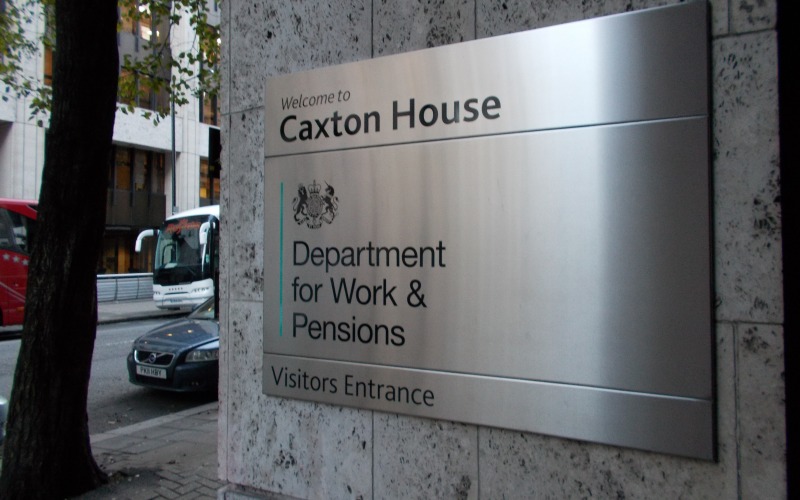
Levels of satisfaction among claimants of the government’s new disability benefit are far lower than for other benefits, according to new Department for Work and Pensions (DWP) figures.
The survey found that only two-thirds (68 per cent) of personal independence payment (PIP) claimants were satisfied with the service they received from DWP, compared with an average of 82 per cent across all 10 benefits surveyed.
The report covered the period from summer 2014 to summer 2015.
PIP, which is gradually replacing working-age disability living allowance (DLA), has been mired in controversy, delays and backlogs ever since its launch in April 2013.
Government documents have previously estimated that the number of working-age claimants would be cut by as much as 28 per cent by 2018, with 900,000 fewer people receiving PIP than if DLA had not been replaced.
Some disabled people had to wait more than a year just to be assessed, while Atos – one of two government contractors carrying out the assessments – had to fend off claims that it misled the government over how many assessment centres it would provide across London and the south of England.
And earlier this month, research by Caroline Richardson, Stef Benstead and Emma Nock for the user-led Spartacus online network concluded that DWP had failed to provide “adequate” or “robust” evidence to justify changes set to tighten eligibility for PIP, through changes to how assessments take account of the way a claimant uses independent living aids and appliances.
In the survey, one in five PIP claimants (19 per cent) believed they had received incorrect or contradictory information, while only two-thirds (69 per cent) said that DWP had done what it had said it would do (compared with an average of 87 per cent across all 10 benefits).
And more than a quarter (26 per cent) of PIP claimants reported some difficulties or problems in their dealings with DWP, compared to 12 per cent overall, and as low as four per cent for attendance allowance and five per cent for state pension claimants.
Overall levels of satisfaction were lower and levels of dissatisfaction were higher for PIP than for any of the other nine benefits.
But there was some good news for DWP, as the survey showed that, for each of the 10 benefits, more than 90 per cent of staff encountered in person were polite.
For all but three of the benefits, this level of satisfaction was at least 96 per cent, while for PIP it was 97 per cent, although based on a sample size of just 38.
The report, commissioned by DWP, concluded that PIP claimants were “more likely to report their calls left unanswered; explanations of decisions inadequate; information incorrect or contradictory; timings unclear; and progress updates lacking”.
A DWP spokeswoman said: “The survey results show the significant progress made since the PIP rollout began in 2013.
“The vast majority of claimants have been satisfied with the service they were provided with, but we’re not complacent and are making improvements.
“Crucially, PIP decisions are now made in 11 weeks – three times faster than in January 2014.
“Since the introduction of PIP we have continued to make improvements to the system.
“We accepted the majority of the recommendations of the first independent review of PIP, carried out by Paul Gray, and have also recently changed the process for providing support to terminally-ill people, meaning they now receive their payments at an earlier point than ever before.”
 PIP is increasingly vital resource for disabled people but is ‘not fit for purpose’, says interim Timms Review report
 McFadden admits ministers are working on ‘key areas for improvement’ after years of DWP deaths
 Research links increase in ill-health to rising benefit claims, just as government prepares ‘catastrophic’ cuts