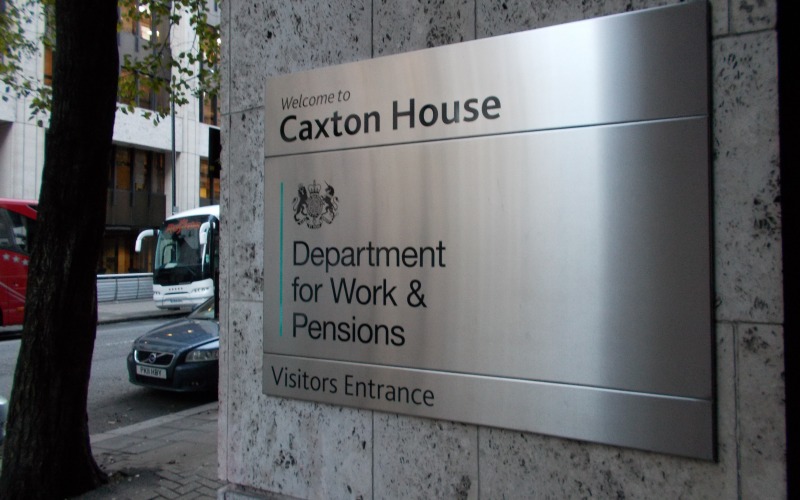
A government report has provided crucial new evidence that links longer NHS waiting-lists with increases in the number of disabled people on benefits.
The research shows that more than two-fifths (41 per cent) of disability benefit claimants are on a waiting-list for treatment for a health condition, with half (50 per cent) of those out of work believing their ability to get a job depends on receiving treatment.
The report, commissioned by the Department for Work and Pensions from social research agency NatCen, says the findings “indicate a link between take up of health and disability benefits and challenges in the healthcare system”.
Politicians, journalists and thinktanks have spent months demanding a tougher approach from the new government because of apparent increases in the number of claimants of disability benefits.
But the new report provides important evidence for disabled campaigners to fight any proposals in the government’s disability benefits green paper, which is set to be published next month, that tighten eligibility, cut benefits, or increase conditions and sanctions.
The report is based on a survey of 3,401 claimants of disability benefits, including those receiving personal independence payment (PIP), employment and support allowance (ESA), and universal credit.
Of those surveyed, half (49 per cent) said they believed they would never be able to work (or work again); a quarter (27 per cent) said they might be able to work in the future if their health improved; and a fifth (19 per cent) already had jobs.
Just five per cent were not in work but felt they could work “right away” if the right job or support was available.
The report says: “The main barriers to work faced by most customers were related to their health.
“Most had left work due to their worsening health, and three-quarters (76 per cent) were worried that working could make their health worse.”
Of those who had previously worked and left their job because of their health condition, nearly all said this was because their health condition had worsened (94 per cent), but other reasons included unsupportive employers (26 per cent), a lack of flexibility (17 per cent), or following advice from healthcare professionals (27 per cent).
The report also demonstrated that many disabled people on out-of-work benefits would like to be able to work if they could.
It says: “Customers overwhelmingly saw work as a key part of their identity and a route to higher self-esteem, happiness and security.
“For many, it was something they deeply missed, while those who had never been employed saw work as central to feeling valued and connected to society.”
Many of those surveyed expressed concern about the attitude of DWP to their situation.
They said they wanted to “feel supported rather than coerced, monitored or blamed”, while those with less visible impairments “wanted more understanding and sensitivity from staff”.
Of those claimants not in work who did not rule out work permanently, three-fifths (60 per cent) were worried that DWP would make them look for work that was not suitable for them, and half (50 per cent) were worried they would not regain their benefits if they tried a paid job and it did not work out.
Only one-third (33 per cent) of claimants surveyed said they trusted JobcentrePlus or DWP to have their health and wellbeing at heart if they engaged with them.
Some reported “negative interactions” with jobcentre staff “where they were made to feel judged, disbelieved or as though they were exaggerating their conditions”, while some said the financial support “did not outweigh the stress of claiming benefits, while others felt pressured to take on more work, even when they did not feel able”.
One female claimant, who was receiving universal credit and awaiting a work capability assessment, said: “It’s left me feeling very degraded and very defeated, and even now, working part-time and being a carer and managing the house, I’m still feeling like I’m not doing enough.”
The report also undermines widespread claims that disabled people on out-of-work benefits are refusing to work because they are so well-off on benefits.
Of those on ESA or universal credit with no work-related activity requirements – those facing the highest barriers to employment – 39 per cent had a post-tax monthly household income that was less than £1,080.
Despite the report’s findings, work and pensions secretary Liz Kendall claimed the research showed the “broken benefits system is letting down people with mental health conditions who want to work”.
She said the report found “44 per cent of people with a mental health condition expect to be able to work in future if their health improves”.
In fact, the report said that 44 per cent of this group felt they “might” be able to work again if their health improved.
Only last month, a House of Lords committee, chaired by a Conservative banker, called on ministers to impose stricter conditions, more assessments, and a more “rigorous” work capability assessment on claimants of out-of-work disability benefits, despite taking no written evidence in its inquiry into “the spiralling costs of the health benefit trap”.
That report dismissed reports that increasing claimant numbers were at least partly due to rising levels of ill-health and NHS waiting-lists since the start of the pandemic.
Now there are hopes that DWP’s NatCen report might provide ammunition for disabled activists desperate to fight back against that report and many other calls from thinktanks, politicians and right-wing media for a harsher benefits system.
A note from the editor:
Please consider making a voluntary financial contribution to support the work of DNS and allow it to continue producing independent, carefully-researched news stories that focus on the lives and rights of disabled people and their user-led organisations.
Please do not contribute if you cannot afford to do so, and please note that DNS is not a charity. It is run and owned by disabled journalist John Pring and has been from its launch in April 2009.
Thank you for anything you can do to support the work of DNS…
 Disabled activists ready to fight back against ‘unsafe’ and ‘punishing’ cuts demanded by Milburn report
 Government looks set to accept Milburn’s call for 41 per cent cuts to young people’s disability benefits
 Most Labour MPs appear to accept Milburn’s arguments for huge cuts to disabled young people’s benefits