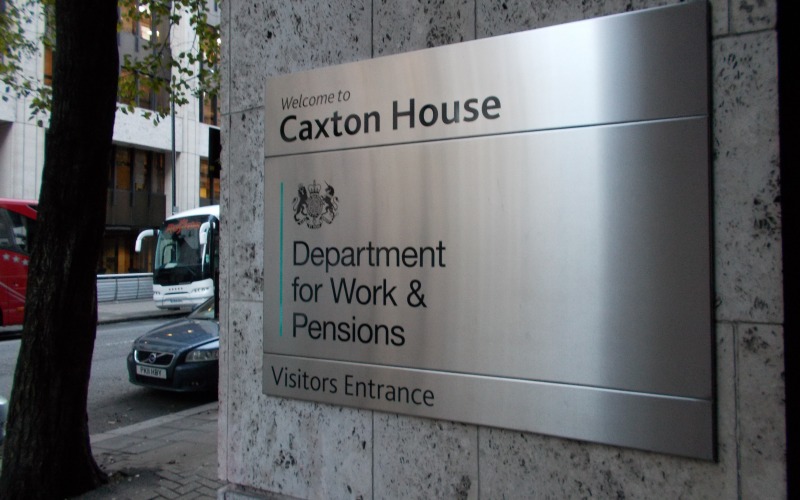
The failure of Department for Work and Pensions (DWP) civil servants to return calls from disabled benefit claimants became a “consistent feature” of some of the most “tragic” cases examined by the department’s safeguarding leads, a secret report has revealed.
The Call Backs* report said the lack of accurate information about the problem meant it was “impossible” to state how badly DWP was failing its “most vulnerable customers”, although they were “likely falling short of a consistent, timely service” across the department.
The report, which was completed in August 2022, detailed a culture within DWP that became comfortable with “operating from a point of ignorance” on whether staff were returning calls from claimants.
Its authors called for their report to drive the changes needed to “limit the Department ‘getting things wrong’ and negatively (and in some cases seriously) affecting our customers”.
They particularly highlighted the personal independence payment (PIP) department, which appeared not to apply any strict timeframe for returning calls, even though guidance stated that most call backs (CBs) should be completed within five days, much longer than for most other benefits.
Figures from one week, in August 2022, showed 56 PIP call backs that were outstanding after one week, and 20 that were still outstanding after 30 days.
And there was no guidance at all for returning Access to Work calls, which had “no system in place to formally manage CBs”.
DWP said this week that it had “worked to continually improve how callback activity is monitored and managed” since the report was prepared in 2022.
The report was obtained by Disability News Service (DNS) through a freedom of information request, after DNS saw the document referenced in another key secret report that covered the issue of DWP errors and how they have led to “serious cases”.
That paper, Errors that can cause serious cases, provided some of the strongest evidence yet from the past decade that DWP was not fit for purpose, and that its processes and failings continued to put the lives of disabled claimants at risk.
Errors that can cause serious cases was only released to DNS after a three-year legal battle.
It found that failing to call back claimants had been identified in 15 internal process reviews (IPRs)**.
The Call Backs report said that failed “call backs” were a “recurring feature in serious cases”; many of these serious cases are likely to have involved the death of a claimant.
But the report said that “management information” held by the department was “either flawed, incomplete or non-existent” and so it was “currently very hard to accurately determine where we are not providing a good service”.
It added: “Call backs matter to our customers, they represent a promise which all to [sic] regularly they tell us is broken.”
And it said there needed to be a “culture change” within DWP to “adhering to customer promises and supporting our most vulnerable customers”.
A DWP spokesperson said this week: “Since this 2022 report was prepared, we have worked to continually improve how callback activity is monitored and managed and are delivering a range of improvements to our telephony services to reduce repeat contact and provide better support.
“These measures are designed to help resolve enquiries as quickly and effectively as possible at the first point of contact.
“We remain committed to improving customer contact and ensuring vulnerable customers receive the support they need.”
*Call Backs: A review of current processes, controls and performance across the Department
**IPRs are carried out when there is a suggestion that DWP’s actions or failings may have negatively contributed to a claimant’s circumstances, and the claimant has suffered serious harm, has died, or there has been an attempted suicide
***The Department: How a Violent Government Bureaucracy Killed Hundreds and Hid the Evidence, DNS editor John Pring’s book on the years of deaths linked to DWP’s actions and failings, is published by Pluto Press
 Disabled activists ready to fight back against ‘unsafe’ and ‘punishing’ cuts demanded by Milburn report
 Union report exposes how staffing crisis at DWP is harming ‘vulnerable’ claimants
 Thousands of disabled people could benefit from activist’s universal credit and council tax court win